
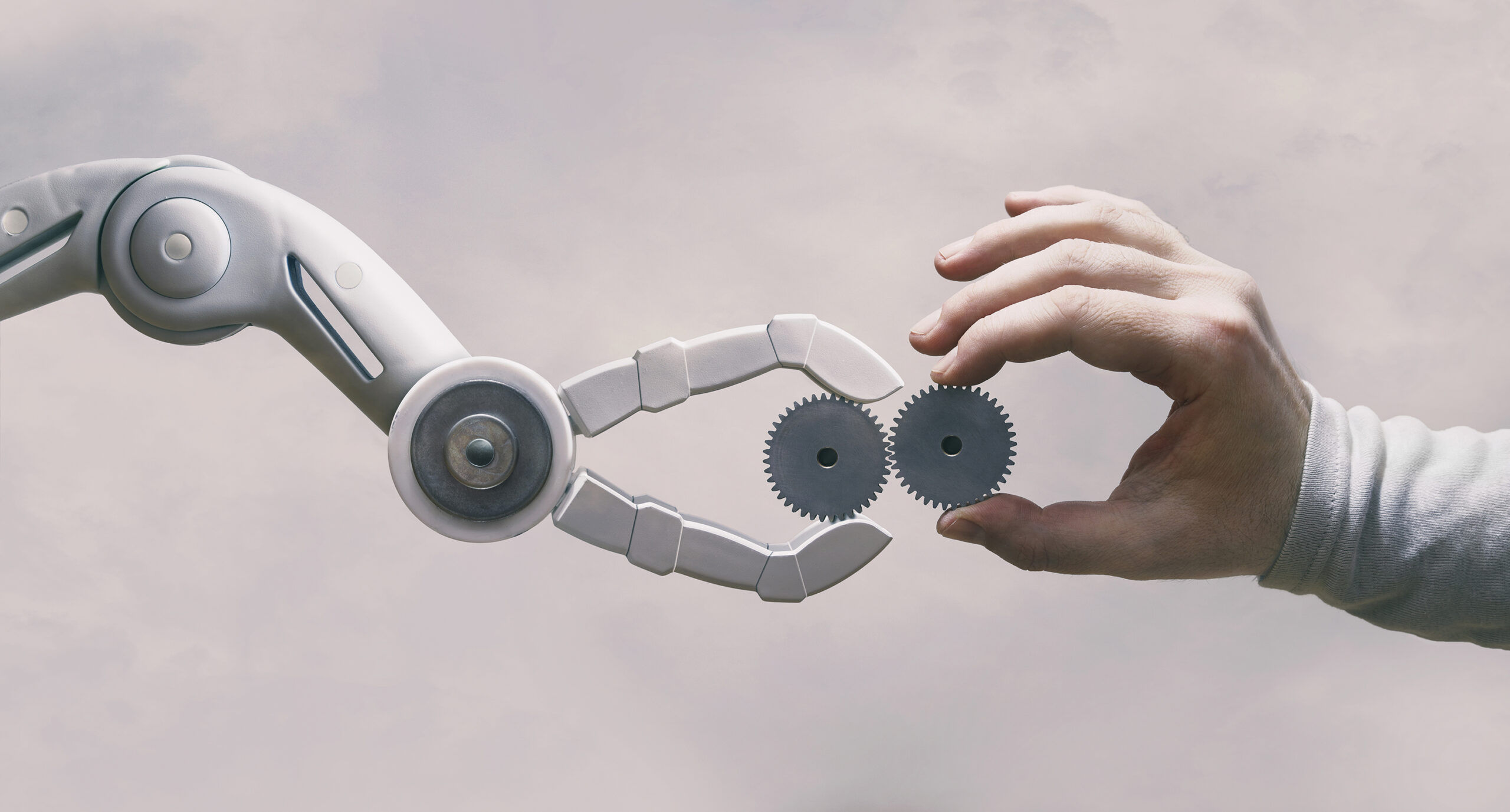
The event #collaborateSE2025, held recently in Gothenburg, brought together companies and experts to explore new developments in cobots, AI and automation. A central discussion was how robots and humans can work safely side by side, a scenario that relies on real-time understanding of the surroundings. For robots, the ability to make the right decision begins with sensors that capture what is happening instantly.
1. From isolated robot cells to shared workspaces
One clear trend from the event was how industrial robots are moving from enclosed cells into shared environments where people and robots work side by side. Many companies struggle to find the right skills, which increases the need for efficient solutions.
Traditional robot setups often require heavy physical barriers; fences, cages or safety zones — to separate the robot from the operator. Collaborative robots, on the other hand, are designed to work next to people without these structures. This makes it easier to adjust production, introduce new tasks and keep processes running without long stops. There is also a strong focus on making robot programming tools easier to use.
The overall message was simple: today’s factories don’t necessarily need more complex machines, they need better ways for people and technology to work together.
2. Physical AI in action
One theme that stood out was the growing focus on physical AI – systems that don’t just analyze data but support decisions that lead to physical action.
The discussions highlighted the need for systems that can react quickly and handle real-world variation. It’s not about advanced intelligence, but about reliable support that helps equipment respond safely and on time.
Humanoid robots were also mentioned, especially their high energy use. In industrial environments, simpler and wheel-based designs are often more practical. The focus was on practical designs aimed at improving productivity on the factory floor.
3. Automation that is easier to work with
Another theme from the event was how automation is becoming easier to work with. Cobots can now be set up and adjusted with simpler tools, allowing operators to switch tasks quickly and keep production running smoothly.
This shift ties directly to key priorities in modern manufacturing: higher speed, better productivity and consistent safety. When systems are easier to handle, they support faster decisions, reduce unnecessary downtime and help maintain safe interaction between people and machines — especially in environments where tasks and surroundings can change throughout the day.
Conclusion
Collaborate Sweden 2025, hosted by Universal Robots, offered a clear snapshot of how automation is evolving: robots moving closer to people, AI being used to support real-time decisions, and technology becoming easier to work with on the factory floor. One message was clear: productivity remains the primary driver of automation. The focus was on practical progress rather than dramatic shifts — improvements that help teams work faster, safer and with greater stability in everyday production. These shifts show how crucial fast, safe and real-time-reacting systems are becoming as automation moves closer to people on the factory floor.