
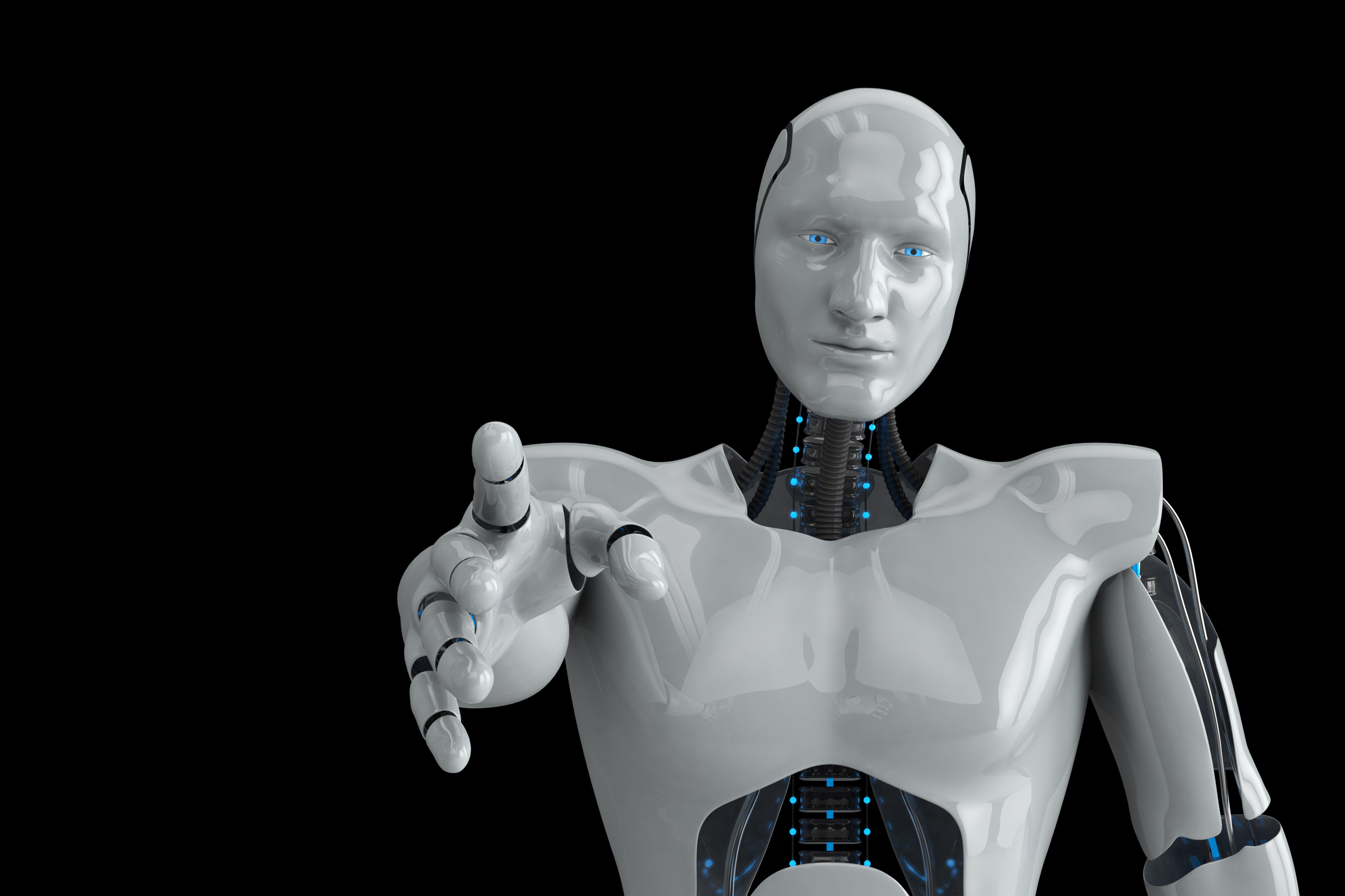
One of the most recurring themes at Sweden Expo 2025, hosted by Plug and Play, was physical AI. Not AI as a digital assistant, but AI integrated into physical systems that detect their surroundings and must act within milliseconds. This shift changes how intelligence is designed. In physical systems, decisions cannot always be centralized or delayed; some must be handled close to where the action happens. Movement, balance and navigation require parts of the system to react locally, making fast, situation-specific decisions based on immediate sensor input.
Why humanoids enter the picture
Humanoid robots are increasingly seen as a way to enable more flexible automation. Not because they can do everything, but because they are designed to operate in environments built for humans. Tools, workspaces and infrastructure already exist, and humanoids can, in theory, work within those conditions rather than forcing everything to be redesigned.
This has sparked renewed interest across industries. Traditional robots are highly efficient but often limited to specific tasks and controlled settings. Humanoids, by contrast, are being explored where adaptability and movement across different contexts matter more than pure efficiency.
China has moved quickly in this area. Today, more than 150 Chinese companies are working on humanoid robots, accounting for roughly 78% of robotics patents filed over the past two decades. As automation needs continue to grow, humanoids are increasingly seen as one way to extend automation into areas that have so far remained largely manual.
Automation at scale
What makes this discussion more than a theoretical exercise is the scale of what remains unautomated. Despite decades of technological progress, a large share of industrial work is still done manually. Across logistics and manual assembly work, industry analysts estimate that only a minority of warehouse sites currently use advanced automation. Forecasts suggest that roughly a quarter of warehouses will have implemented some form of automation by the end of this decade.* At the same time, the available workforce is shrinking.** In many regions, the working-age population is declining, and projections show a significant shortfall by 2035. The challenge is not about increasing output, but about maintaining it. The same volume of work will need to be done with fewer people.
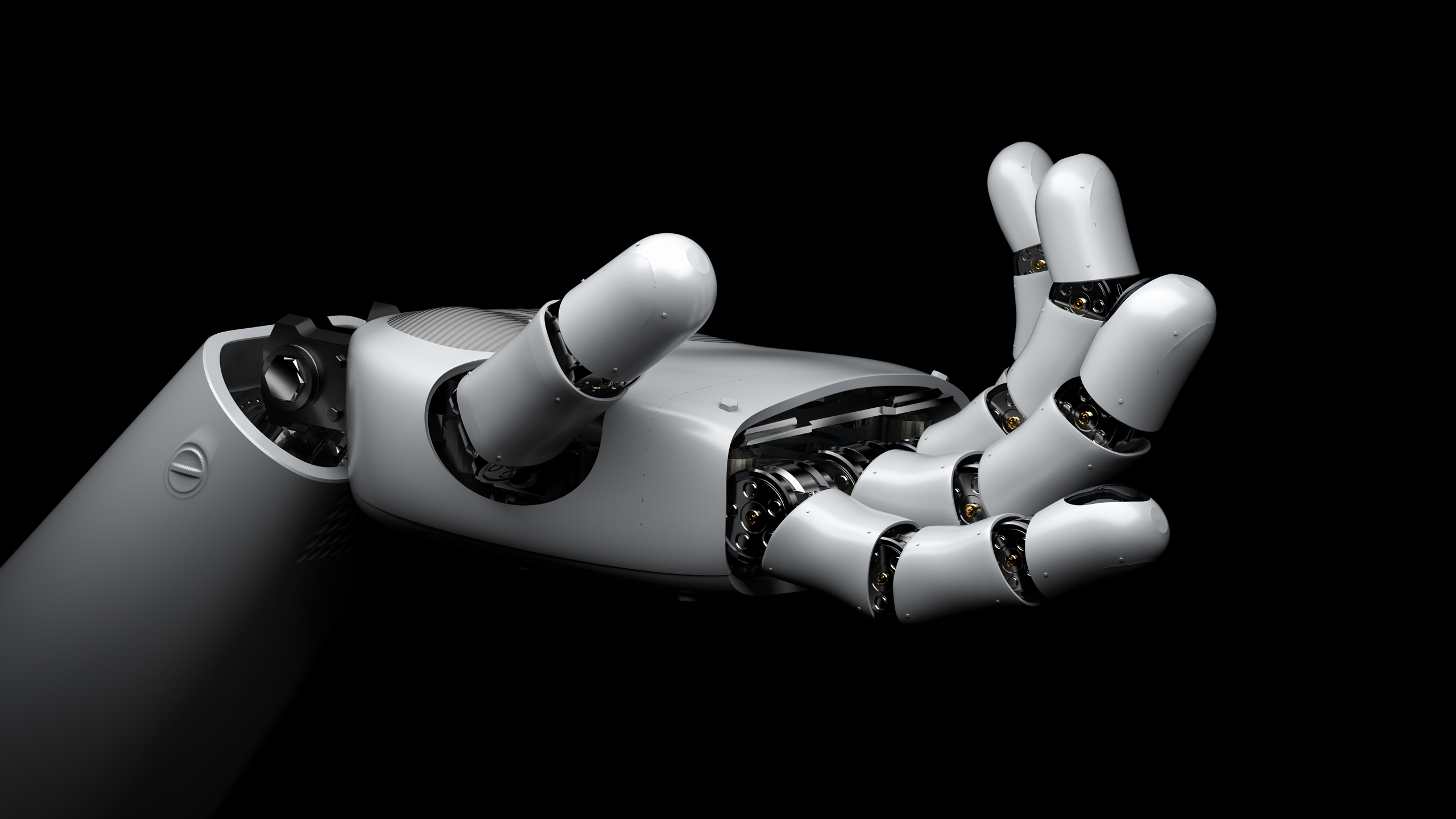
This combination is pushing industries to rethink how automation is applied. It is no longer only about efficiency or cost reduction, but about continuity and resilience. Automation is becoming a way to compensate for structural workforce changes, rather than simply a tool for optimization. That shift changes what we automate and how systems are designed to respond. What stood out at Sweden Expo 2025 was how consistently these perspectives appeared across different discussions.