
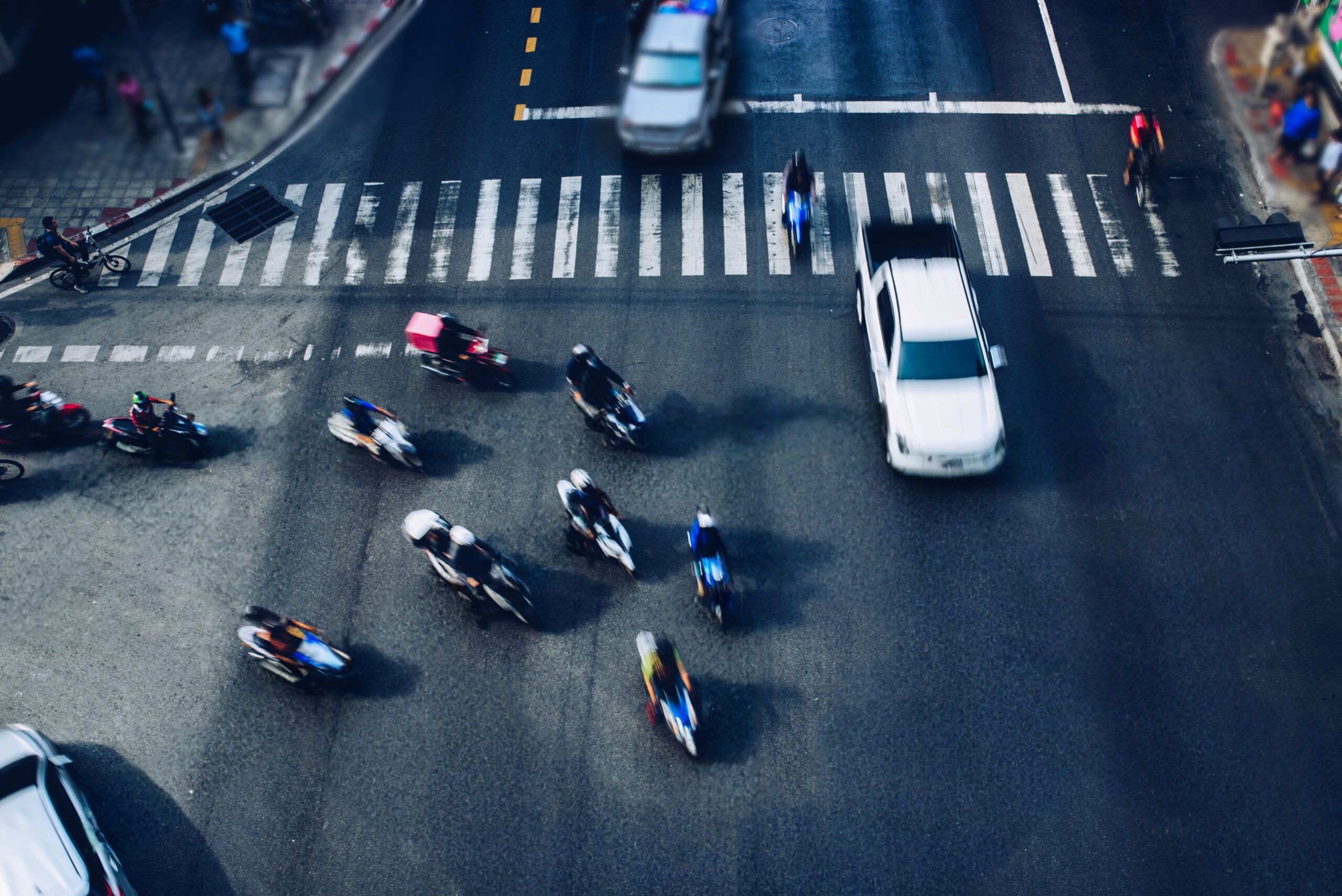
Urban traffic is full of movements that constantly change pace. Cars, bicycles, e-scooters and pedestrians move at the same time but in completely different rhythms. It’s in this uneven flow that many of the risks arise and where many of the city’s accidents begin. In the near-zone, the right technology can truly make a difference.
A gap in urban safety
In the near-zone, safety depends on reacting quickly to small movements while still understanding what kind of object is causing them. That combination makes the near-zone challenging for sensors built for long-range environments rather than rapid changes up close.
According to the WHO, 1.2 million people are killed and up to 50 million are injured in traffic every year — and more than half of these accidents happen in urban environments. It is a reminder that the near-zone isn’t a minor challenge, but a major safety gap.
When distances are short and visibility is limited, range becomes less important. What matters is reaction time. In urban traffic, risks rarely appear as clear objects far ahead, but as small movements close to the vehicle.
A cyclist shifting balance,
an e-scooter drifting out,
a pedestrian changing direction.
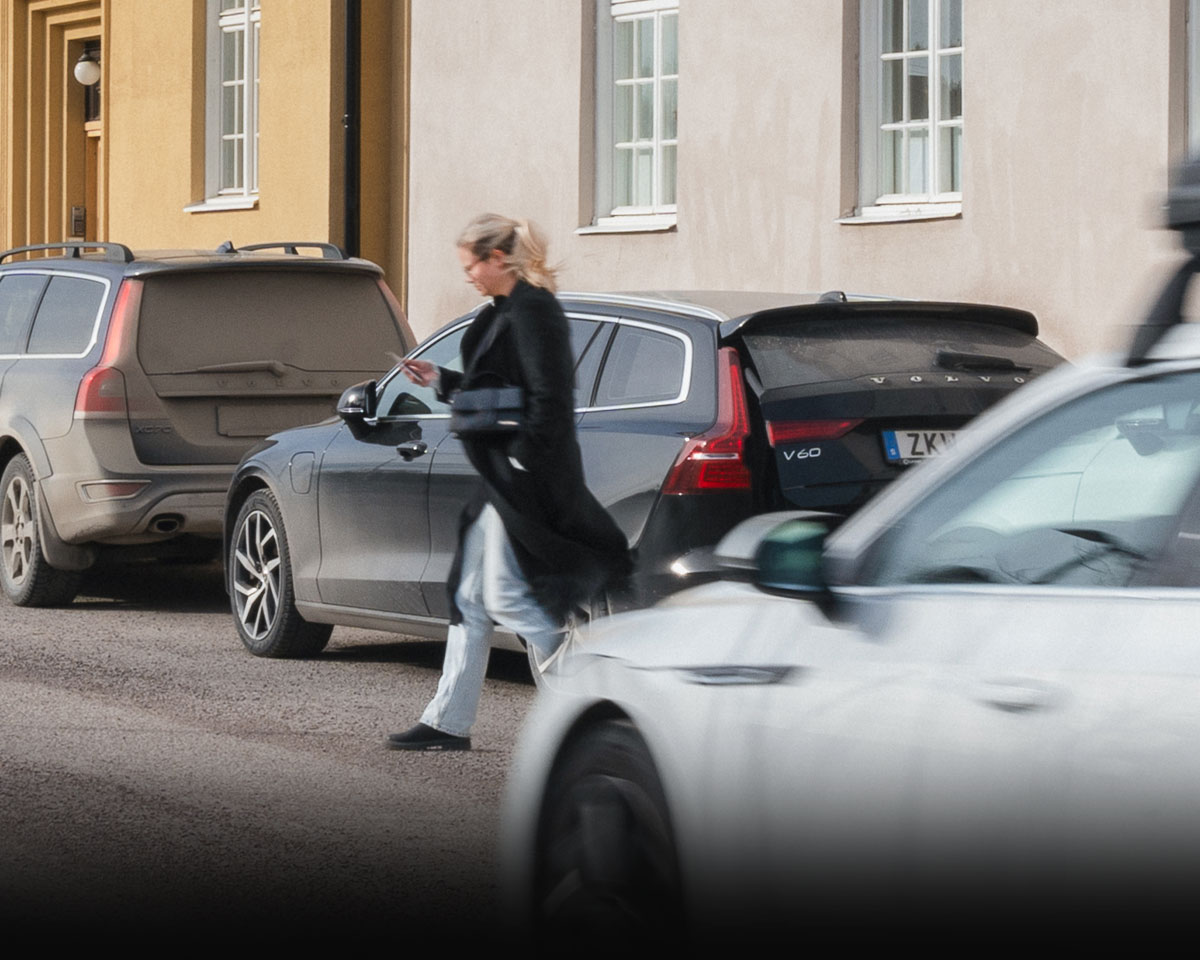
It’s milliseconds that matter, not meters. That’s why this environment requires something else: the ability to catch a change in the very moment it happens.
Today’s ADAS systems are developed for traffic environments where everything moves in roughly the same direction and changes occur slowly. Urban traffic doesn’t work that way. Here, distances are short and movements sudden. Risks arise in the milliseconds closest to the vehicle and that’s where today’s systems have limitations.
Growing focus on the near-zone
Research shows clear patterns: certain environments, times of day and conditions make it more likely that someone gets seriously hurt. Together, these factors highlight the need for stronger near-zone sensing, because this is where the critical moments happen.
There are clear signs that the focus in ADAS is gradually broadening – from purely range and resolution to also include the near-zone and the small movements happening close to the vehicle. And when the industry eventually moves toward autonomous driving, the demands will only increase. The near-zone challenge becomes even sharper when a system has to react without a human driver to fall back on.
As we learn more about how accidents occur in urban environments, interest grows in technology that can detect changes near the vehicle more quickly. Not as a replacement for today’s sensors, but as an important complement that can provide earlier warnings and more opportunities to act in time.
Speed as a safety factor
Terranet uses event cameras to detect the laser scanner’s signal the moment it appears, giving the system extremely fast reactions in the near-zone. Their strength lies in reaction time. Event cameras don’t look at pictures, they respond to movement as it happens. When something unexpected happens just a few metres in front of the vehicle, safety comes down to milliseconds – small gains in time that can create a greater chance to interrupt a chain of events before it becomes an accident. This is where speed truly matters.
Speed makes a difference. And the next step for the industry is to take on an even bigger challenge, reading the tiny micro-movements that signal what could be coming next.
Because in the end, safety in the city isn’t only about seeing what is happening but understanding the small signs of what might be about to happen.